


ISCRIVITI PER NON PERDERTI AGGIORNAMENTI E NOVITÀ!
Hypoallergenic cats: what it means and which breeds to choose
Cat allergies, don't despair, you too can have the joy of adopting a four-legged friend!
The allergy
It is commonly and erroneously thought that the allergy is caused by the cat's hair. In reality, the allergy is due to the Fel D1 protein produced by the saliva, skin or organs of the animal. It is thought that the problem is in the hair, precisely because the cat, licking itself to clean itself, deposits saliva on the hair.
Hypoallergenic cats
The solution for allergy sufferers, therefore, is not, as is commonly thought, the Sphynx, a breed that does not have hair, but hypoallergenic cats!
You heard right, there are hypoallergenic cats. What does that mean?
Hypoallergenic cats have a very low production of the Fel D1 protein, which causes the allergy.
To choose a hypoallergenic cat you need to pay attention to the breed.
Here is a list of the main breeds to consider hypoallergenic:
- Siberian Cat: among the most well-known breeds suitable for allergy sufferers; in fact, it is the breed that produces the least Fel D1. Imposing and with very thick fur, it is a cat that loves to be in company.
- Norwegian Forest Cat: This breed, originally from Scandinavia, also produces a minimal quantity of Fel D1.
- Devon Rex: is a short-haired breed that falls into the classification of felines that produce little Fel D1. Very affectionate and sweet, it also sheds little hair.
- Balinese Cat: This cat also produces a low amount of Fel D1. It is native to the United States and is classified in the Siamese and Oriental cat category.
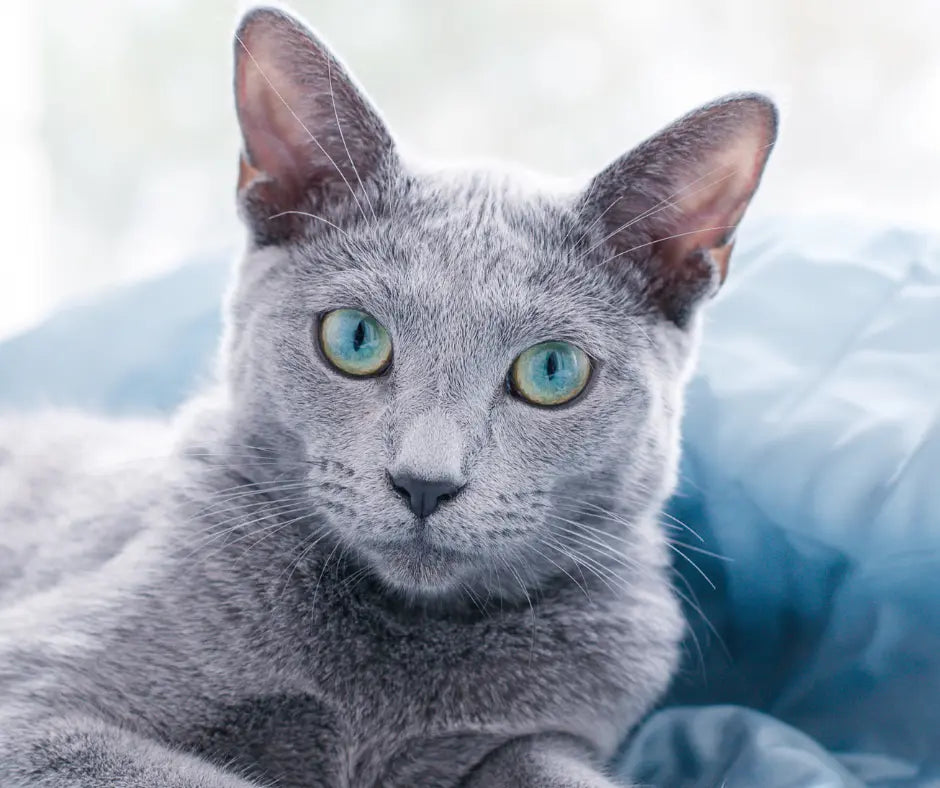
- Russian Blue: This cat produces little Fel D1 and its allergens tend to remain in the undercoat. The Russian Blue takes its name from its place of origin and the color of its coat.
- Bengal: with its unmistakable leopard-like fur, the Bengal is recommended for allergy sufferers.
Generally these purebred cats need a very careful diet, this month we recommend N&D Quinoa with herring, coconut and turmeric.
Advice
Regardless of the breed you choose, the best thing to do is to try to come into contact with the cat, indoors for a while, to see if cohabitation is possible. In addition, we recommend always thoroughly cleaning the environments where the cat lives.
Previous article

Dogs and cats in condominiums: rules and precautions to follow
Next article

Dog food: instructions for mouth-watering meals